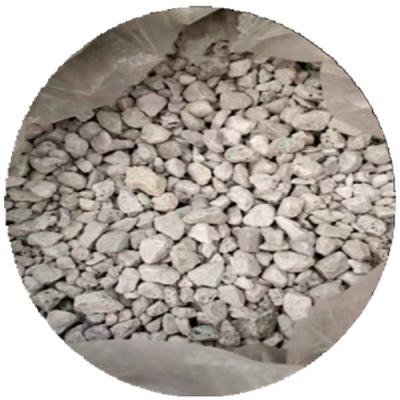
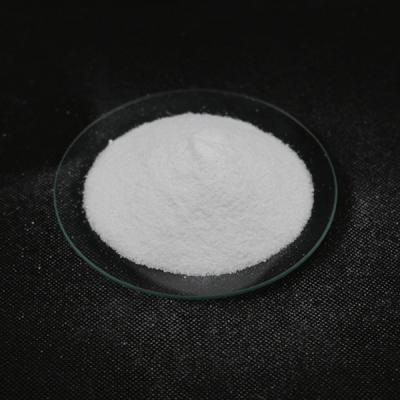
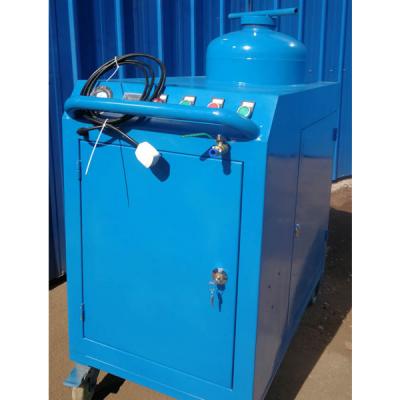
Furnace Cleaning Flux (SATA-PF-390)
General Description of Furnace Cleaning Flux (SATA-PF-390)
Slag will be generated in the furnace during smelting after a period of time, which not only shorten the life of refractory materials, but also reduce furnace capacity.
SATA-PF-350 can reduce melting point and viscosity of drosses, and make them loose and dry, easy to remove from the wall and the bottom of furnaces, so as to increase production efficiency, reduce cost and improve product quality.
Application of Furnace Cleaning Flux (SATA-PF-390)
-
Suitable for reverberatory, holding furnace and crucible
-
Used to remove oxides in the furnace
Advantage of Furnace Cleaning Flux (SATA-PF-390)
-
Prolong the refractory life
-
Maintain effective capacity of the furnace
-
Reduce oxide impurities
Specification of Furnace Cleaning Flux (SATA-PF-390)
-
Dosage: The amount varies with oxide quantity, surface area, furnace temperature, etc.
-
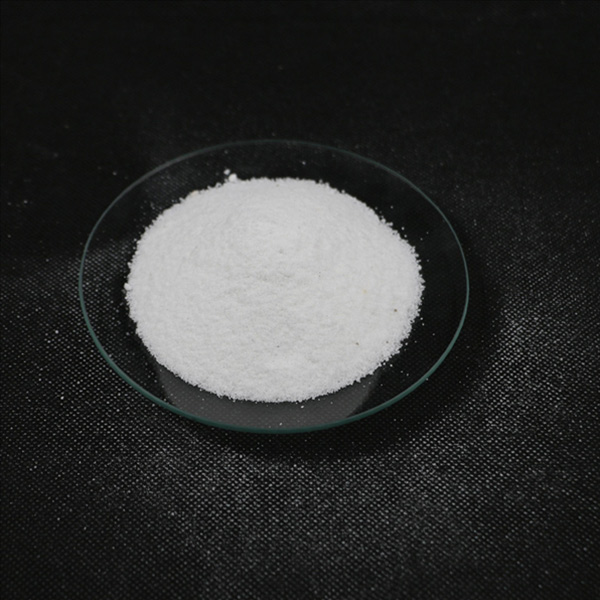
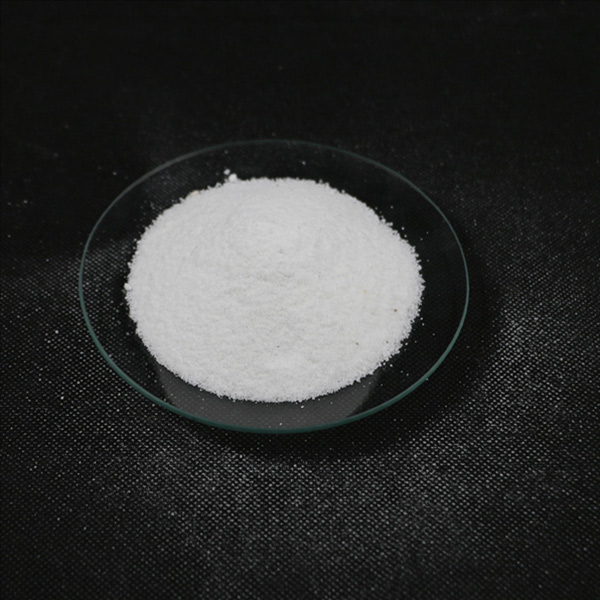
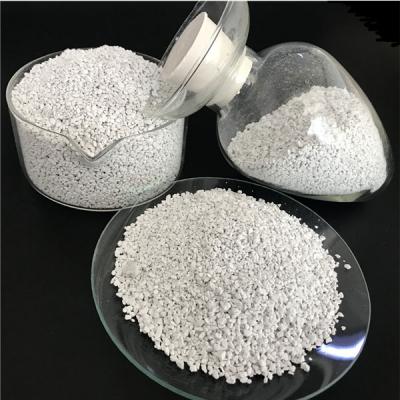
Appearance: off-white powder
-
Shelf life: 6 months
Package of Furnace Cleaning Flux (SATA-PF-390)
-
Packed in 5kg (PE), 25kg (PP), 1000kg bags or customized.
-
Stored in dry, well-ventilated place, and avoid direct sunlight.
Usage of Furnace Cleaning Flux (SATA-PF-390)
-
After aluminum alloys are smelted, increase the furnace temperature to 800-850℃ immediately
-
Reduce molten aluminum in the furnace to minimum operating level, expose the pile-up on the wall
-
Open the furnace, spray SATA-PF-350 on the pile-up on the wall and the bottom of furnaces
-
Close the furnace, stand and maintain for 10-15 minutes
-
Open the furnace again, gently stir the mixture of fluxes and drosses for about 2-5 minutes, and then use the shovel to scrape the soften pile-up slowly, and skim the floated slag.
Note: For new furnaces, it is recommended that cleaning should be done after furnaces are used for 5-6 times to achieve the best result.